ASVCare Sleep Apnea · In testing Part of the one ASVCare app

Better sleep, safer nights

Sleep apnea makes breathing stop and start during sleep. Left untreated, it raises the risk of high blood pressure, heart disease and stroke. ASVCare Sleep Apnea helps you spot the signs, get tested and stay with treatment night after night.

Try the Sleep Apnea test version

Take the sleep check ↓How it helps ↓For clinicians

0:00

Narrated explainer with captions. AI presenter. For education only, not medical advice.

In plain words

What ASVCare Sleep Apnea does for you In testing

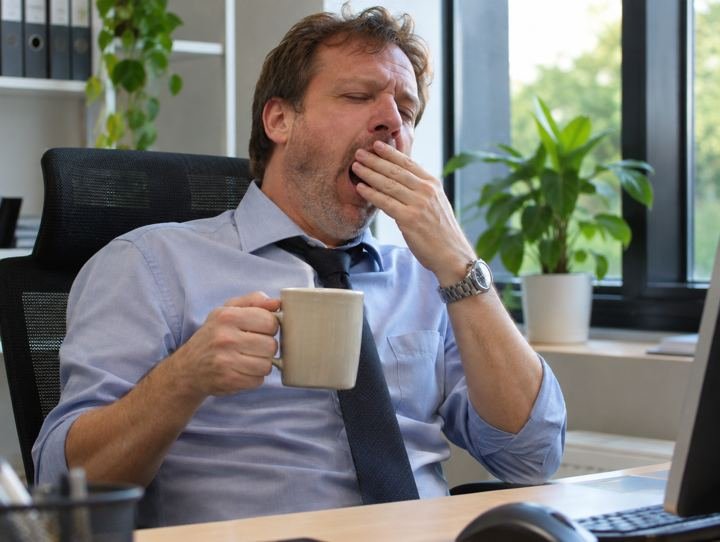
A tired man at his desk in the afternoonKnow the signs

A nightly log of loud snoring, gasping, morning headaches and daytime sleepiness.

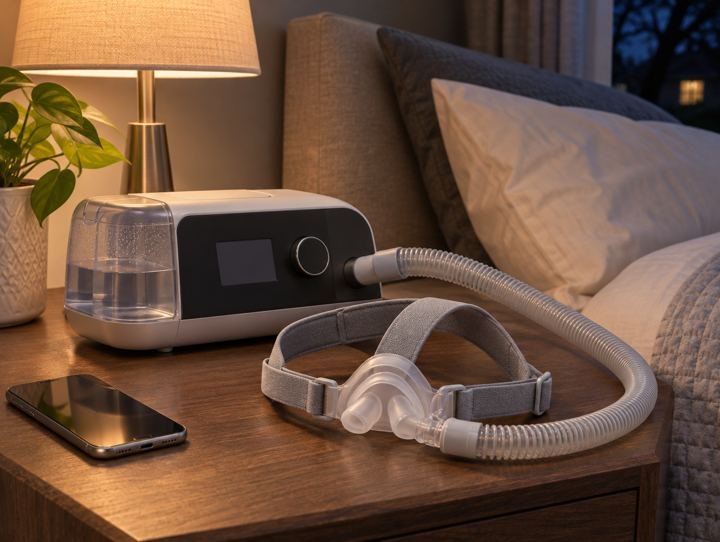
A CPAP machine and mask on a bedside tableNightly treatment log

Track CPAP use each night against the 4-hour goal.

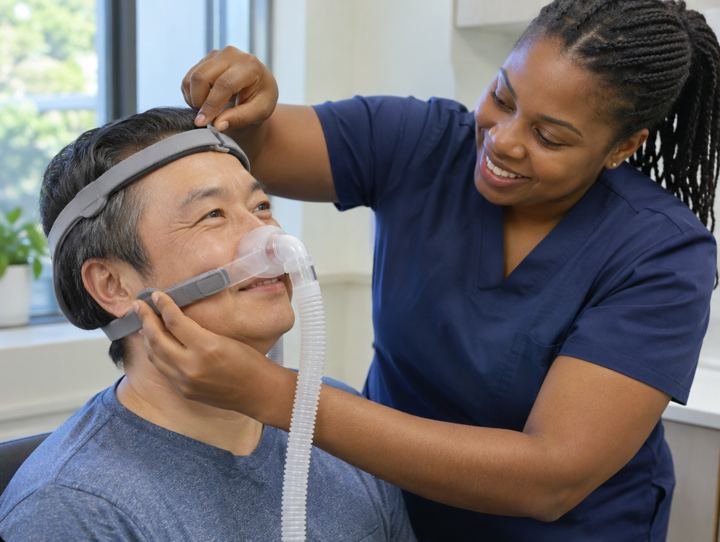
A nurse helping adjust a CPAP maskMask and comfort tips

Simple fixes for dry mouth, air leaks and a mask that does not feel right.

A doctor reviewing a summary with a patientShare with your doctor

A clear summary of your nights, ready for your next sleep visit.

Who it is for: Adults who snore loudly or feel tired all day, people newly started on CPAP, bed partners who notice pauses in breathing, and the sleep and primary care teams who treat them.
ASVCare Sleep Check

Could it be sleep apnea?

One question at a time. Tap the answer that fits you best. Nothing you enter is saved or sent anywhere.

Questions come from the signs and risk factors listed by the National Heart, Lung, and Blood Institute (NIH): symptoms and causes and risk factors. In children, signs can include bedwetting, worsening asthma and trouble paying attention in school.

Your path

From first sign to better sleep

  1. Talk to your doctorShare your signs, your family history and the medicines you take.
  2. Get a sleep studyYour doctor orders it, or refers you to a sleep specialist. It shows if you have sleep apnea and how serious it is.
  3. Make a plan togetherYou and your doctor choose the treatment that fits your body and your life.
  4. Stay with it every nightASVCare helps: a nightly log, mask comfort tips and a summary for your next visit.
Treatment options

Many ways to treat it, explained simply

Sleep apnea is treatable. Your sleep doctor decides what fits you, and many people try more than one option.

Healthy habits

Regular exercise, a healthy weight, less alcohol and caffeine, no smoking, and sometimes sleeping on your side.

Breathing machine

CPAP, APAP or BPAP. A gentle stream of air through a mask keeps your airway open while you sleep.

Mouthpiece

A custom-fitted device that holds the jaw or tongue forward. Often used by people who cannot get used to CPAP.

Implant

Hypoglossal nerve stimulation: a small device placed in the chest connects to a nerve and keeps the airway open.

Surgery

For some people: removing tonsils or extra throat tissue, moving the jaw forward, or weight-loss surgery when other treatments fail.

Mouth and face exercises

Orofacial therapy uses simple exercises to strengthen the tongue and facial muscles.

ASVCare does not recommend any product or brand. Source: NHLBI, National Institutes of Health.

Find a specialist

Talk to a sleep specialist

Ask your primary care doctor for a referral to a sleep specialist. ASVCare is building a list of New York sleep specialists who choose to take part. It will appear here.

Ask us a question
Free sessions

Free sleep apnea sessions

Live online sessions in English and Bengali, hosted by physicians who answer your questions. Dates are announced on this page.

Ask about the next session
Questions

Common questions

Is loud snoring always sleep apnea?

No. Many people snore without having sleep apnea. Snoring together with pauses in breathing, gasping or heavy daytime sleepiness is worth checking with a doctor.

Who orders a sleep study?

Your healthcare provider orders it and may refer you to a sleep specialist. The study shows whether you have sleep apnea and how serious it is.

What if I cannot get used to CPAP?

Tell your doctor. A better mask fit or new settings often help, and there are other options, such as a mouthpiece or an implant, for some people.

Is sleep apnea dangerous if it is not treated?

Left untreated, it raises the risk of high blood pressure, heart disease and stroke. That is why getting checked matters.

Does ASVCare diagnose or treat sleep apnea?

No. ASVCare offers education and daily support tools. Your doctor diagnoses and treats sleep apnea.

ASVCare Sleep Apnea

Last night

CPAP used7 h 10 min
Mask sealGood
Streak12 nights

Sleep check

Loud snoringMost nights
Daytime sleepinessOften
Next stepTalk to your doctor

This week

Average use6 h 45 min
Nights over 4 hours7 of 7
Morning energyBetter
Inside the app

See how it works

The screens on the left show ASVCare Sleep Apnea inside the ASVCare app. Big buttons, clear words, and the same simple design across every service.

  • Know the signs. A nightly log of loud snoring, gasping, morning headaches and daytime sleepiness.
  • Nightly treatment log. Track CPAP use each night against the 4-hour goal.
  • Mask and comfort tips. Simple fixes for dry mouth, air leaks and a mask that does not feel right.
  • Share with your doctor. A clear summary of your nights, ready for your next sleep visit.
Real life

Moments from daily life

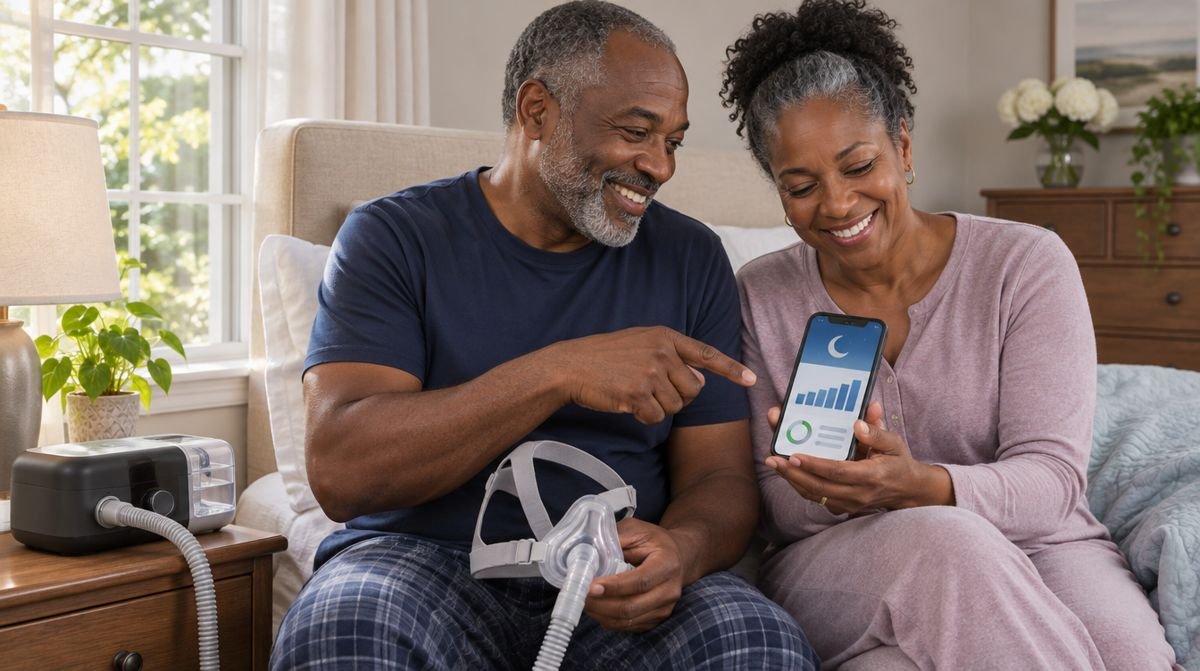
Waking up rested and checking last night together
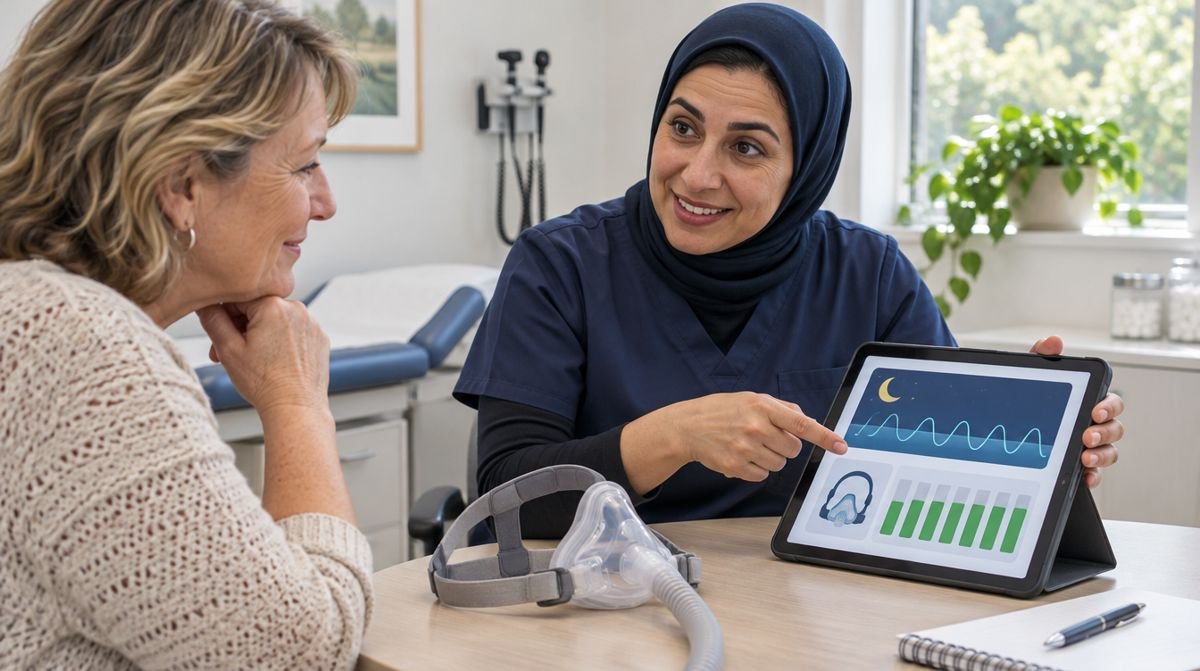
Reviewing breathing and CPAP use with the care team
Breathing and sleep: two services, one care team.
  • Asthma and sleep apnea often show up together, and each can make the other harder to control.
  • ASVCare Sleep Apnea and ASVCare Asthma are designed to work side by side in the same app, so one care team can see the whole picture.

See ASVCare Asthma →

For clinicians

Clinical approach

Status: In testing, with sample data only. The nightly log, PAP use tracking and doctor summary work in the test version. Screening questionnaires and device data import are coming soon and need clinical review before release.

Clinical focus: Screening support and positive airway pressure (PAP) adherence for adult obstructive sleep apnea (OSA), with attention to blood pressure, heart and stroke risk.

Screening (coming soon)

Questionnaires such as STOP-BANG and the Epworth Sleepiness Scale may be offered only after licensing and clinical review, with results the patient can take to a clinician. They are not in the test version.

PAP adherence

Nightly use logs measured against the common benchmark of at least 4 hours a night on 70 percent of nights, the standard Medicare reviews in the first 90 days of therapy.

Device data

Coming soon: support for importing usage, mask leak and residual AHI summaries from compatible PAP devices, only with the patient's consent.

Stroke and heart link

OSA is common after stroke and linked to hypertension and atrial fibrillation. The module works alongside ASVCare Stroke blood pressure logs.

Scope: Does not diagnose sleep apnea, score sleep studies, change pressure settings or replace evaluation by a sleep specialist.

How we build it

How ASVCare works today

The test version is a web app. Anything not in the test version yet is marked as coming soon.

A couple using the app on a phone togetherRuns in your browser

Open the test version on an iPhone, an Android phone or a computer, and add it to your home screen. App Store and Google Play versions are coming soon. Every service is part of the same app.

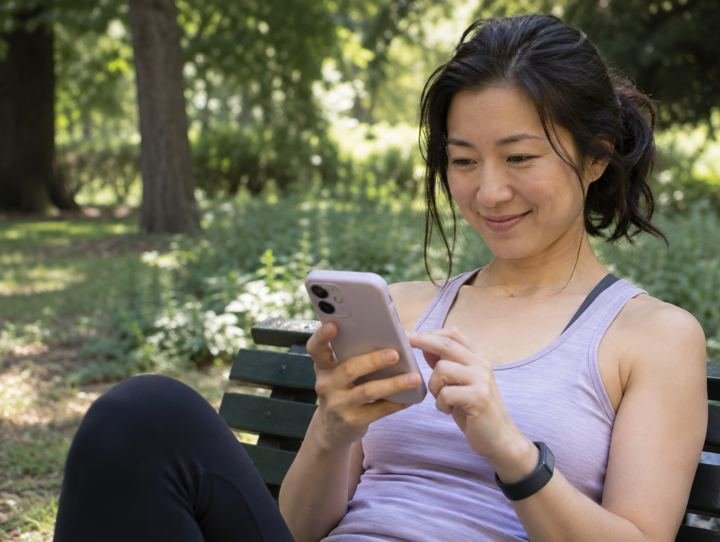
Using the app on a park benchWorks offline after the first visit

Once opened, the app screens load without internet. Entries are saved in that browser on that device.

A family of many backgrounds sharing a tabletMany languages

Read this site in English, Bengali, Spanish, Chinese, Hindi, Urdu or Arabic. The app speaks English and Bengali today, with more languages coming. Large text, screen reader support and high contrast for older eyes.

A nurse and doctor reviewing a summary togetherSharing with care teams (coming soon)

Sharing with care teams using health data standards such as HL7 FHIR is coming soon. It is not part of the test version yet.

How the ASVCare Sleep Apnea test version handles data:
  • Nightly logs are saved only in the browser on your device and are not sent to ASVCare.
  • Coming soon: device data imported only after the patient connects a device and agrees.
  • Coming soon: summaries shared with the sleep team as a standard FHIR questionnaire. Today you print the summary yourself.
Privacy in the test version

What the test version does with your information

ASVCare is in testing and is not set up for protected health information. Use made-up sample data only. This is what happens today.

Saved in your browser

What you enter in the ASVCare app is saved only in the browser on your device. The app does not send it to ASVCare. Delete all data in Settings, or clear your browser data, to remove it.

No account, no health database

The test version has no sign-up, no login and no server database for health entries.

Web host logs

Our web host keeps standard server logs, such as IP address and pages visited, for security and operations.

Other companies

Fonts on this website load from Google Fonts. If you choose a language other than English, page text is sent to Google Translate. The app uses neither.

No ads, no selling

No advertising trackers, and data is never sold.

Before real health data

Before ASVCare handles any real health information, we plan to complete a HIPAA risk analysis and put the required safeguards and agreements in place. We will list specific security controls here only after they are in place and verified.

One app for the whole family

Every service lives in one ASVCare app

You do not need ten apps. Download ASVCare once, then switch on the services that fit your life. Your medicines, appointments, care circle and privacy settings are shared across all of them, so you only set things up once.

If someone stops breathing during sleep and cannot be woken, or has chest pain or sudden weakness, call 911. Drowsy driving is dangerous: if you feel very sleepy, do not drive.

Help shape ASVCare Sleep Apnea

Physicians, therapists, community leaders and families: we would value your feedback as we build each service.